Operated or bare crane rental
An operated rental comes with the crane, the operator and usually a rigger. A bare rental is the machine alone, and your own crew runs it. The choice changes the price, the paperwork and who carries the risk.
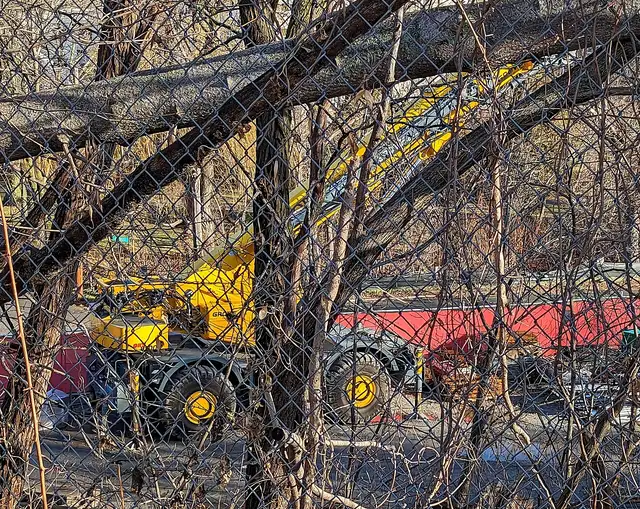
Operated and maintained
This is the usual pick for a one-day lift, an HVAC unit set or a roof truss job. The rental company handles setup, fuel, upkeep and the operator. You pay by the hour, often with a four-hour or day minimum, and travel time to and from the yard is usually billed too.
An operated crew also brings local know-how. They know which Houston streets a big crane can travel, where soft ground tends to be, and what a plant gate will ask for.
Bare rental
Contractors with their own trained operator rent this way for weeks or months. Rates are often weekly or monthly. Your company carries more of the risk, so expect insurance certificates and a signed rental agreement before the crane leaves the yard. You also handle daily checks, fuel and any damage beyond normal wear.
Which one fits
- One lift or a few days: operated is usually simpler and often cheaper in the end.
- Months on one site with your own operator: bare can make sense.
- Not sure: say so in the form; the rental desk can price both.
Operator rules apply either way
On construction work, federal rules (29 CFR 1926.1427) require crane operators to be trained, certified or licensed, and evaluated. source With a bare rental, that duty falls on your company. Ask to see the operator card before the lift either way.
Costs to ask about up front
- Travel time to and from the yard
- Counterweight trucks for bigger cranes
- Rigging gear, spreader bars and a signal person
- Overtime and weekend rates if the lift runs late
- Crane mats if the ground is soft after rain
- Street or lane closure permits, if the crane sets up on a public road
Paperwork to expect
Many rental companies ask for a certificate of insurance and a signed rental agreement before booking. Plant work often adds a lift plan and site safety forms. Have your contact for each ready so the date does not slip.
Start your request
Two quick steps, the lift and then your contact info. Sending it does not book a crane.
Only one Houston-area rental company sees your request, and we never sell your info.